
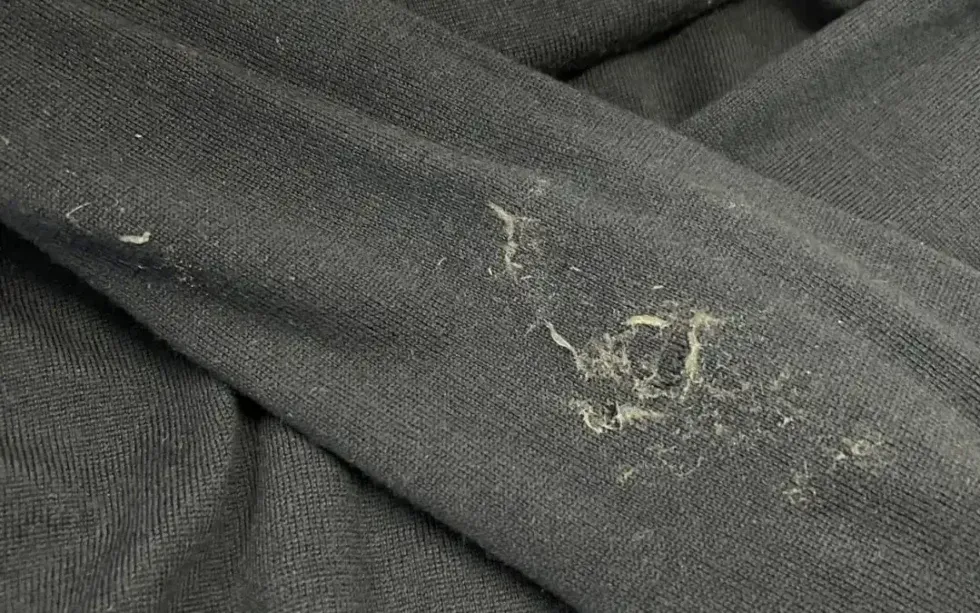
Why Do Clothes Get Moth Holes? Understanding Insect Damage on Clothing
Insect damage often becomes visible after garments are handled or cleaned, even though the damage actually occurred earlier during storage.

Insect Damage on Clothing: What It Is, How It Happens, and How to Prevent It
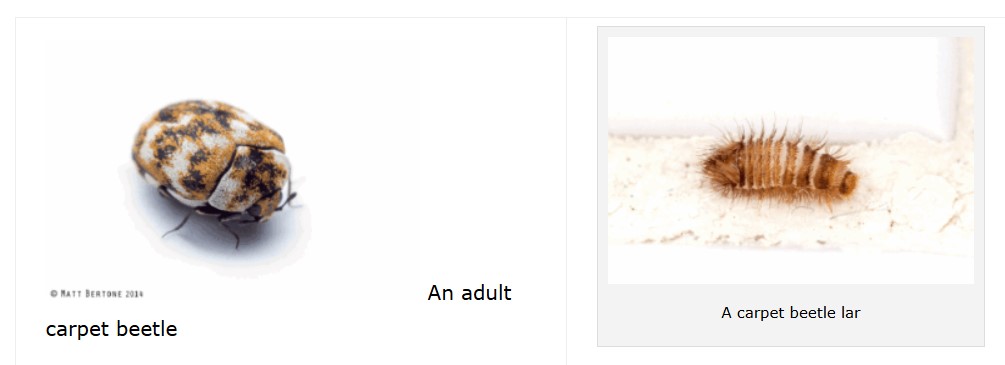
Many people are surprised to discover holes or weakened areas in their clothing—especially after garments have been stored or even after they are cleaned. In many cases, the cause is insect damage, which most commonly comes from clothes moths or carpet beetles.
Understanding how this damage occurs can help you protect your garments and prevent costly losses.
What Causes Insect Damage to Clothing?
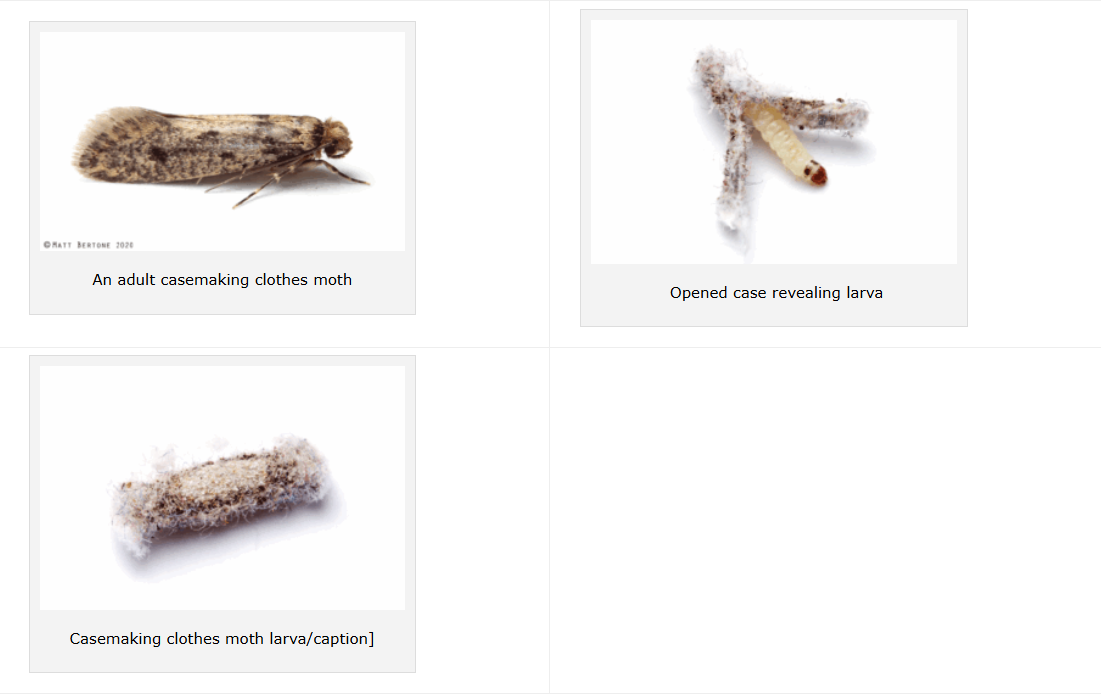
The damage most people call “moth holes” is actually caused by larvae (baby insects) rather than adult moths.
When moths or other fabric pests lay eggs on garments, the larvae hatch and begin feeding on the fibers. Natural fibers such as:
Wool
Cashmere
Silk
Fur
Leather
are especially attractive because they contain keratin, a protein that larvae feed on.
Other insects such as carpet beetles and silverfish may also attack textiles, especially if garments contain food stains, body oils, perspiration, or other organic residue.
These pests typically live and feed while garments are stored in closets, drawers, or storage containers where they are undisturbed.
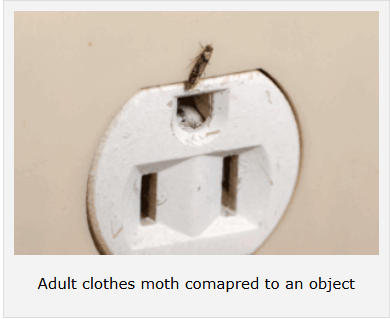
Why the Damage Often Appears “Suddenly”
Many customers assume holes appeared during the cleaning process. However, insect damage often develops slowly and may not be visible right away.
Industry experts note that holes may only become noticeable after garments are cleaned or handled, because weakened fibers finally separate.
In other words, the damage may already exist in the fabric before cleaning but becomes visible later.
How to Recognize Insect Damage
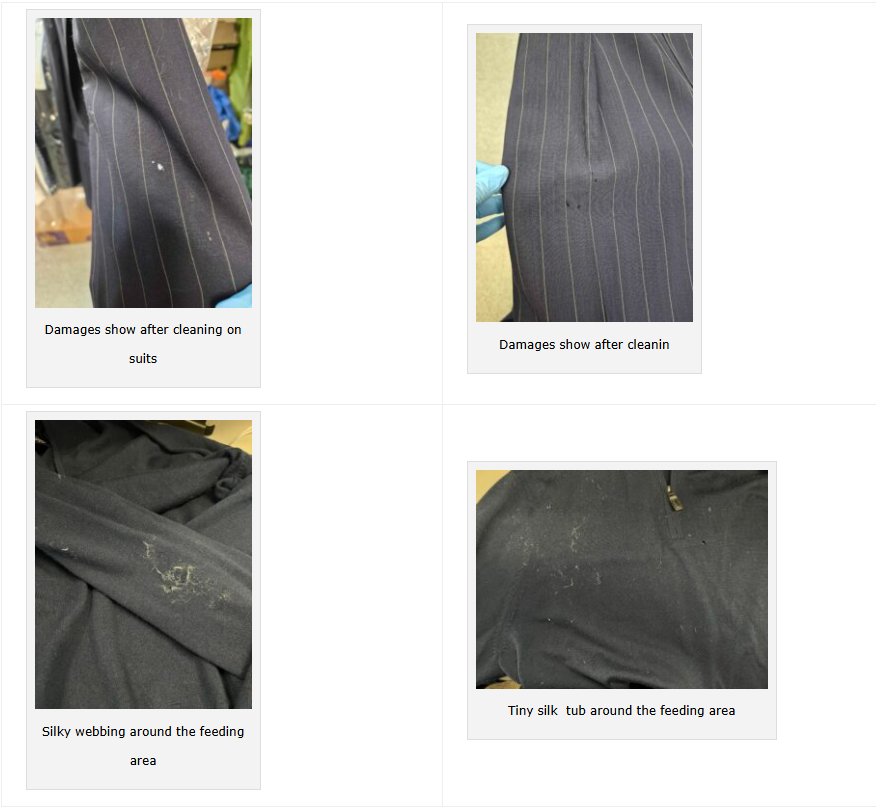
Insect damage can appear in several different ways.
1. Small Irregular Holes
The most common sign is small, uneven holes in fabric, especially on wool garments.
These holes often appear in:
Sweaters
Suits
Jackets
Blankets
Rugs
2. Thin or Bald Patches
Sometimes insects graze along the surface fibers, leaving areas that appear thin or worn before a hole actually forms.
3. Dust or Debris Near Damage
Larvae often leave behind a gritty residue called frass, which is the by-product of digested fibers.
4. Silky Webbing or Larvae Casings
Some moth species create tiny silk tubes or webbing around the feeding area.
5. Damage That Looks Like a Stain
In early stages, insect feeding may appear as:
darkened spots
rough patches
areas that resemble stains
These are actually fibers being eaten away.
Why Certain Clothes Are More Vulnerable
Insects are strongly attracted to clothing that has:
Body oils
Food residue
Sweat
Perfume or beverage stains
Even when these are invisible to the eye, they provide nutrients for larvae.
That’s why garments that appear “clean” but were worn may still attract insects during storage.
Can Insect Damage Be Fixed?
Unfortunately, once fibers have been eaten away, the damage is permanent.
However, depending on the garment and the size of the hole, there may be repair options:
Invisible mending
Professional reweaving
Patching
Tailoring repairs
These services are performed by specialized textile repair professionals.
Is the Dry Cleaner Responsible?
No. Insect damage occurs before garments are brought in for cleaning, usually during storage in closets, drawers, or attics.
Dry cleaning cannot create this type of damage. If damage were caused by equipment or heat, the fabric would show:
tearing
scorching
melted fibers
Instead, insect damage shows irregular feeding patterns where fibers have been eaten away over time.
Professional cleaning can actually help prevent future infestations, because cleaning removes the stains and residues that attract insects.
How to Prevent Insect Damage
Fortunately, there are simple steps you can take to protect your clothing.
1. Clean Clothing Before Storage
Always wash or dry clean garments before putting them away for the season.
Cleaning removes the oils and stains that attract insects.
2. Store Clothes in Sealed Containers
Use:
garment bags
airtight bins
sealed storage boxes
to prevent insects from reaching clothing.
3. Keep Closets Clean
Vacuum closets and storage areas regularly to remove eggs and larvae.
4. Use Natural Repellents
Cedar blocks, lavender sachets, or herbal repellents can discourage moth activity.
5. Inspect Clothing Regularly
Check stored garments periodically, especially wool items.
Movement and light help discourage insects from settling.
Final Thoughts
Insect damage is a common issue that affects clothing stored in homes around the world. Because the damage occurs gradually and often becomes visible later, it can sometimes be mistaken for damage caused by laundering or dry cleaning.
Understanding how insect damage occurs—and how to prevent it—can help protect your wardrobe and extend the life of your garments.
If you ever have questions about garment care or storage, a professional cleaner can help guide you.
References
Drycleaning & Laundry Institute – Cleaning and Storing Garments to Prevent Insect Damage - https://dlionline.org/cleaning-and-storing-garments-to-prevent-insect-damage/
North Carolina State University – Clothes Moths and Carpet Beetles - https://content.ces.ncsu.edu/clothes-moths-carpet-beetles-controlling-fabric-pests
Natural History Museum – Clothes Moth Identification Guide - https://www.nhm.ac.uk/take-part/identify-nature/common-insect-pest-species-in-homes/clothes-moths-identification-guide.html
National Cleaners Association – Insect Damage and Textile Care - https://www.nca-i.com/news/13538424